




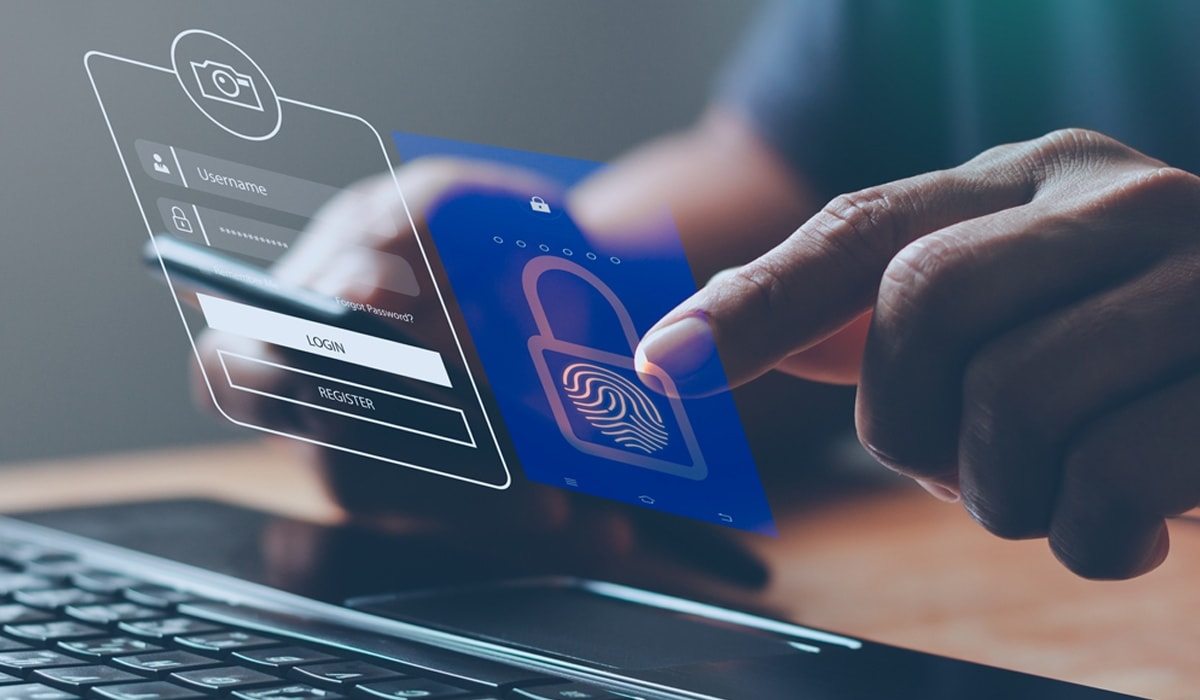
Biometric data is a general term used to describe any computer data generated during a biometric process. This includes biometric samples, templates or models, fingerprints, similarity scores, and all verification or identification-related data used by biometric systems.
Biometric authentication is a security process that relies on the unique biological characteristics of an individual to verify identity. In this system, captured biometric data is compared with previously stored and authenticated biometric data in a database. If both sets of data match, authentication is confirmed.
Biometric authentication is commonly used to control access to both physical and digital resources, such as buildings, restricted areas, computers, and mobile devices.
Behavioural biometrics are based on patterns of human activity rather than physical traits. Common behavioural biometric methods include:
These techniques are continuously evolving through ongoing research and technological advancements, making biometric systems increasingly accurate and reliable.
Several biometric technologies are currently in use:
Iris recognition identifies individuals based on unique patterns in the coloured ring surrounding the pupil of the eye. Although highly accurate, the required hardware is expensive and specialized. The process may also be slow and uncomfortable for users.
Fingerprint scanning is one of the most widely used biometric techniques. Since fingerprints are unique and easily accessible, this method requires minimal storage space and compact hardware. Digital fingerprint scanning analyzes ridge patterns and branching points in a fingerprint image.
This method uses the unique vascular patterns inside an individual’s finger. Although more secure than fingerprint scanning, it requires specialized devices and is relatively cumbersome for everyday use.
Facial recognition systems use numerical representations called faceprints based on key facial features such as eye sockets, cheekbones, nose, and mouth. Most systems avoid the hairline area to prevent recognition errors due to hairstyle changes.
Voice identification relies on the physical characteristics of a speaker’s vocal tract rather than spoken words. Unlike speech recognition, its purpose is to verify identity by matching voice patterns against stored data.
Biometrics addresses the longstanding need to establish identity using unique personal characteristics.
The adoption of biometrics by law enforcement followed:
The core principle of biometrics remains unchanged—to identify individuals based on unique physical or behavioural traits.
Due to its convenience, reliability, and ease of use, fingerprint authentication has become the most widely adopted biometric technology. Today, many laptops, smartphones, and computer peripherals include built-in fingerprint readers. Numerous products—such as keyboards, USB drives, external hard disks, and mice—support fingerprint-based authentication at relatively low cost.
These systems allow users to securely store encrypted passwords that are accessed through biometric verification rather than memory. When combined with a PIN or password, biometric authentication provides true two-factor security, enhancing protection against unauthorized access.