



Blog

Quantum Encryption:Exploiting quantum physics.

Quantum Encryption:Exploiting quantum physics.

Quantum Encryption With the rapid rise in cybercrime and sophisticated hacking techniques, traditional methods of protecting information are increasingly being challenged. Conventional encryption relies on complex and computationally intensive algorithms, but what if security could instead be guaranteed by the laws of physics themselves? Quantum cryptography offers such a possibility by eliminating the risk of

Advanced Persistent Threat – APT

Introduction – Advanced Persistent Threat (APT) An Advanced Persistent Threat (APT) is a sophisticated cyberattack in which an unauthorized individual or group gains access to a computer network and remains undetected for an extended period of time. Unlike conventional cyberattacks that aim to cause immediate disruption, the primary objective of an APT is long-term data

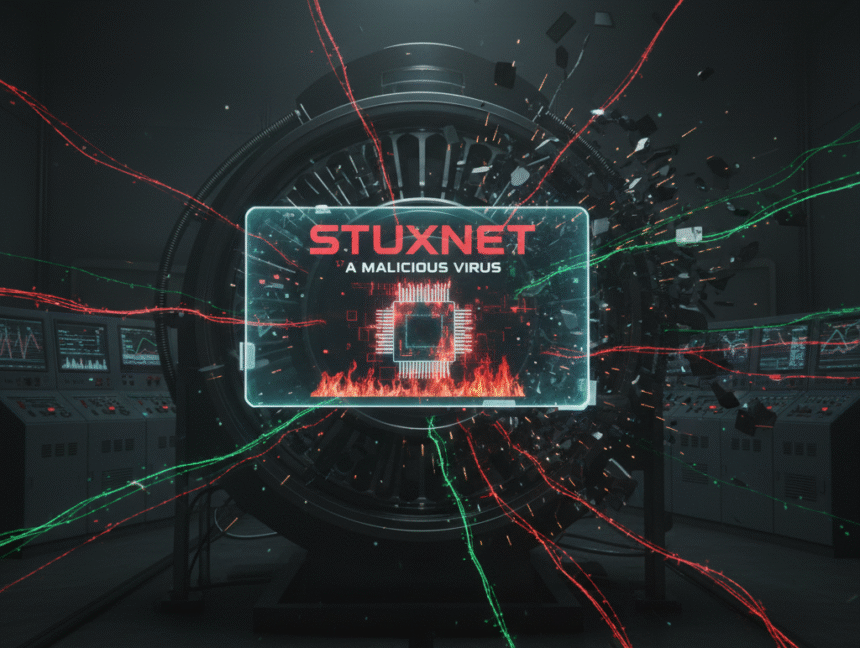
Stuxnet – A malicious virus

INTRODUCTION – STUXNET Stuxnet is a highly sophisticated computer worm designed to target industrial control systems (ICS) used to monitor and control large-scale industrial facilities such as power plants, dams, nuclear reactors, and waste processing systems. Unlike conventional malware, Stuxnet enables attackers to manipulate physical equipment without the knowledge of system operators. It was the

CYBER WARFARE – A security threat

CYBERWARFARE Security threats were once visible, physical, and easily identifiable. In contrast, today’s cyber threats are largely invisible, anonymous, and borderless. Traditional warfare operated within clear rules, geographic boundaries, and identifiable actors, whereas modern cyberwarfare is largely anarchic and lacks defined limits. As a result, governments and corporations struggle not only to combat cyber threats

Need Help?