


Category: Cybersecurity Basics

  • Blog
  • Category: Cybersecurity Basics
Cross-site Scripting

Cross-site Scripting

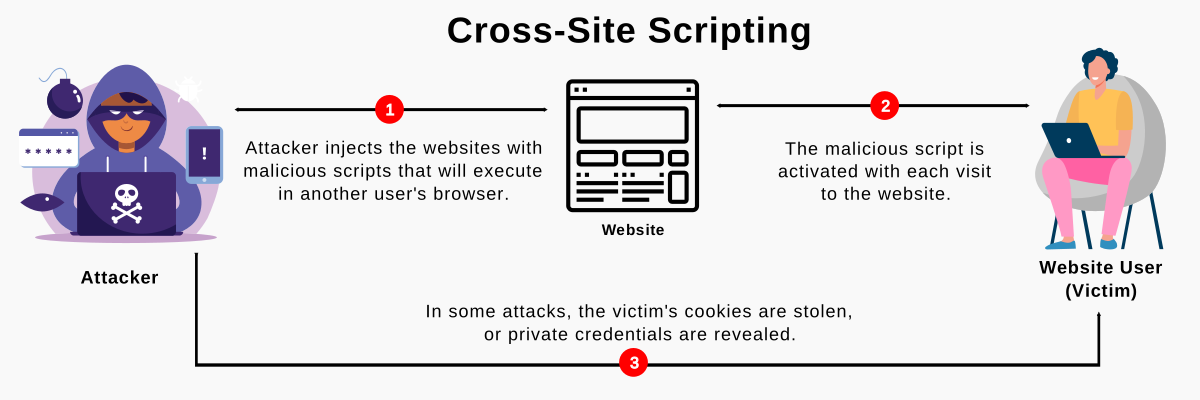
Cross-Site Scripting (XSS) Cross-site scripting (XSS) is a web application vulnerability that occurs when dynamically generated web pages display user input without proper validation or encoding. This allows attackers to inject malicious JavaScript code into web pages, which then executes in the victim’s browser. XSS can potentially affect any website that accepts user input, making


Managed SoC v/s In-House SoC – MSSP

Cybersecurity breaches have become a fact of life in today’s digital world. It is no surprise that data security remains a top priority for CIOs and IT professionals. Continuous monitoring of corporate systems is a critical component of any effective security strategy. To achieve comprehensive protection, organizations typically choose between two approaches: an in-house Security

Malware Analysis

Here is a revised and polished version of your content with improved clarity, grammar, structure, and technical accuracy, while preserving the original intent and educational tone. What Is Malware? Malware (short for malicious software) refers to any software intentionally designed to damage, disrupt, or gain unauthorized access to computer systems, networks, or data. Malware is

Bug Bounty Program

Autonomy of Bug Hunting Programs: Why They Are a Better Option for Finding Bugs What Is a Bug Bounty Program? A bug bounty program is an open initiative that allows cybersecurity researchers—often called ethical hackers or white-hat hackers—to legally test an organization’s systems using their skills and expertise. When researchers discover a vulnerability, they submit

Need Help?