






Trusted by Industry Leaders







Why do you require a web application penetration test?
Web application penetration test of your app is critically important before you go to production, not performing so will result in multiple consequences.
-

Unseen vulnerabilities
Unseen vulnerabilities in your code, failed security audits, lengthy remediation cycles, and the constant fear of a data breach.
-

Financial Impact
Average data breach cost of $4.45M (IBM, 2023), lost revenue from downtime, regulatory fines, and devastating reputational damage.
-

Compliance Risks
Failing PCI-DSS, GDPR, or other regulatory requirements, leading to legal penalties and loss of partner/customer contracts.
How Does Our Web Application Penetration Testing Actually Work?

Scoping & Reconnaissance
Our initial step is Scoping & Reconnaissance which involves a straightforward session to define the application scope from the attacker's viewpoint.
Learn More
Vulnerability Assessment & Exploitation
This is what you’re paying for, combining smart tools with deep manual Web Application Penetration Testing to find and safely exploit weaknesses.
Learn More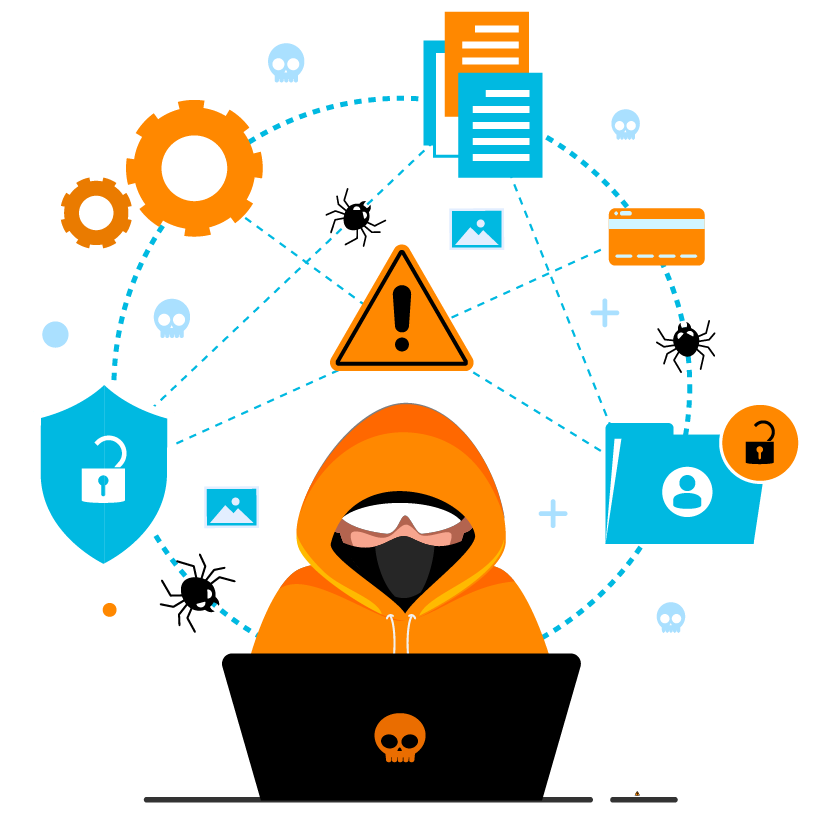
Analysis & Prioritization
We analyse findings, toss out false positives, and give you a clear list of risks prioritized by what could actually harm your business.
Learn More
Reporting & Remediation Support
Our team produces a report that is not only easy to understand for both your executives and developers but also a clear and action-ready product with samples, and live, hands-on support from our team to remediate any and all issues
Learn More
What Do You Get? A Clear Path to a More Secure Application
After our web application penetration testing, you gain complete visibility into your application’s security posture. You receive a detailed, easy-to-understand report outlining identified vulnerabilities, business logic flaws, and exploitable weaknesses across your web application. Each finding is risk-rated and accompanied by clear remediation guidance, helping your development and security teams fix issues efficiently and strengthen the application against real-world attacks.

A Crystal-Clear Report
The report delivers straightforward findings for management's executive overview as well as technical details for your development team, including evidence of issues, risk assessment scores, and corrective actions.
Expert Guidance
A technical consult call to discuss findings with you and your team, where we will answer any technical questions you have.
Best of Both Worlds
Evidence from both commercial-grade scanners and our own manual testing methodology.
Verification of Fixes
Retesting to verify that your fixes have closed the vulnerability.
Your Trusted Partner in Securing Web Applications Against Real-World Threats.




What Specific Vulnerabilities Can We Find for You?
In our standard Web Application Vulnerability Assessment and Penetration testing we look for the web application weaknesses with the highest impact against your organisation which includes OWASP top 10, NIST top 10 vulnerabilities. We test close a 100 different types of vulnerabilities against your application.
- SQLi (SQL Injection)
- OS Command Injection
- LDAP Injection
- Broken Authentication and Session Management
- credential stuffing
- session hijacking attacks
- Authentication Bypass
- Cross-Site Scripting (XSS) and Cross-Site Request Forgery CSRF
- Security Misconfiguration
- XML External Entity (XXE)
- Server-Side Request Forgery (SSRF)
- Insecure Deserialization
- File Inclusion
- Path Traversal
- +100 more vulnerabilities.
Discover why we are the trusted leader in web Application Penetration Testing Services?
In a market full of automated scanners and checklist audits, Web application penetration testing is where our attack and test-as-an-attacker approach supported by best-in-class security professionals who believe manual is best.

Elite Expertise
Our professionals have earned OSCP and CISSP certifications and secured applications for businesses such as Amazon and Capgemini.


Manual-First Mindset
Tools lack context. Our testers search for complex vulnerabilities that are interconnected and usually cause the most damage.

Dedicated Partnership
You get a single, dedicated penetration tester as your point of contact, ensuring consistency and deep understanding of your environment

Tailored Reporting
You get a clear, concise report which defines the severity of the vulnerability, CVE, how to reproduce the vulnerability and remediation of the vulnerability.
We Take Into Account the Industry We Operate In Tailored App Security Tests
We don’t think one size fits all. Your organisations Web Application Security Audit should match the actual attacks and compliance your industry faces.
Web Application VAPT for Banking
At Cyber Security Hive, we provide top-notch VAPT services for the banking sector. As one of the best cybersecurity companies, we help banks protect sensitive data, prevent cyber attacks, and meet regulatory compliance. Our VAPT services include vulnerability assessment, penetration testing specifically focused for banking applications
- Focus on the Basics
- Think like a hacker
- In-depth pentests
- Credible reporting
Cyber Security Hive offers reliable cyber security services to make banking operations secure and resilient. Our experts provide consulting, training, and compliance solutions to safeguard financial institutions. We are committed to being among the top cybersecurity companies, helping banks protect their assets and ensure secure financial operations.
Get Started Now
Secure your core product and pass customer security assessments
At Cyber Security Hive, we provide specialized VAPT services for technology and SaaS companies. As a trusted cybersecurity partner, we help SaaS platforms, cloud providers, and tech firms protect sensitive customer data, prevent breaches, and meet enterprise security expectations. Our VAPT services include vulnerability assessment and penetration testing specifically designed for modern tech environments.
Focus on the Basics
Think Like a Hacker
In-Depth Pentests
Credible Reporting
Cyber Security Hive offers reliable security services to make technology operations secure and resilient. Our experts provide consulting, testing, and compliance support to safeguard SaaS businesses. We are committed to being your trusted security partner, helping you build platforms that earn and keep customer trust.
Get Started Now
Protect customer data and payment information to maintain PCI-DSS compliance
At Cyber Security Hive, we provide specialized Web VAPT services for e-commerce businesses. As a trusted cybersecurity partner, we help online retailers, marketplaces, and digital storefronts protect customer payment data, prevent fraud, and meet PCI DSS compliance. Our Web VAPT services include vulnerability assessment and penetration testing specifically designed for e-commerce platforms and shopping carts.
Focus on the Basics – We start with what matters most: your checkout flows, payment gateways, and customer accounts
Think Like a Hacker – We simulate real attacker techniques to find the gaps automated scanners miss
In-Depth Pentests – Deep testing of your web applications, APIs, and backend systems
Credible Reporting – Clear, actionable reports that help your team fix issues fast and stay compliant
Cyber Security Hive offers reliable security services to make e-commerce operations secure and resilient. Our experts provide testing, fraud prevention guidance, and compliance support to safeguard online businesses. We are committed to being your trusted security partner, helping you protect customer trust and scale your business with confidence.
Get Started Now
Insurance Security
Lorem ipsum dolor sit amet, consectetur adipiscing elit, sed do eiusmod tempor incididunt ut labore et dolore magna aliqua. Quis ipsum suspendisse ultrices gravida. Risus commodo viverra maecenas accumsan.
- Focus on the Basics
- Be Proactive
- Educate Customers
- Tighten Internal Controls
Lorem ipsum dolor sit amet, consectetur adipiscing elit, sed do eiusmod tempor incididunt ut labore et dolore magna aliqua. Quis ipsum suspendisse ultrices gravida. Risus commodo viverra maecenas accumsan lacus vel facilisis.
Get Started Now
Healthcare Security
Lorem ipsum dolor sit amet, consectetur adipiscing elit, sed do eiusmod tempor incididunt ut labore et dolore magna aliqua. Quis ipsum suspendisse ultrices gravida. Risus commodo viverra maecenas accumsan.
- Focus on the Basics
- Be Proactive
- Educate Customers
- Tighten Internal Controls
Lorem ipsum dolor sit amet, consectetur adipiscing elit, sed do eiusmod tempor incididunt ut labore et dolore magna aliqua. Quis ipsum suspendisse ultrices gravida. Risus commodo viverra maecenas accumsan lacus vel facilisis.
Get Started Now

What's the Timeline and Investment for True Security?
We believe in transparency, so you know exactly what to expect. Timeline: Most engagements run for 2-4 weeks, depending on the size and complexity of your application. Pricing: We offer tailored packages, because a simple startup app doesn't have the same needs as a complex enterprise platform.
This isn't just a cost; it's an investment that prevents million-dollar breaches, avoids regulatory fines, and helps you close deals faster by proving your security. Project-based pricing with transparent quotes. No hidden fees.
Your Trusted Partner in vulnerability assessment and penetration testing
- More About Us
-
27+
Years Of Experience

How Are We Different from an Automated Scanner or Another Vendor?
Our manual Web Application Penetration Testing provides the human insight that automated tools lack. Reporting that speaks your language prioritizing business risk not just technical jargon.
- Cyber Security Hive Vs. DIY/Automated Scanners: Automated tools miss business logic flaws and complex vulnerabilities.
- Competitors Vs. we blend big-tech expertise with a relentless manual intensive approach.
Our Trusted Clients Feedback
Our esteemed clients trust us with their data and cyber security to enhance their cyber security posture
I appreciate your timely delivery of all the requisites of the project, and I also appreciate the quality of your work. Your support and hard work has made this project successful for our company. We value your contributions and cooperation with us.

Bhargav - Aviso Inc

With Cyber Security Hive managed SOC services, we can see threats earlier or as they are happening and have reduced the mean time to detect intrusions by 40%.
Nimra - Chocozonia
We got penetration testing services done for our web application. Cyber Security Hive’s reporting format, walkthrough of the reports, and support has been excellent.
Gideon - Executive Assistant
The team at Cyber Security Hive has been very helpful in providing Phishing Simulation and Security Awareness training to our entire organization. They are very professional, and completed the project on time
Sameer Tanna - CEO, TSS Consultancy private limited
Fill in the information to get in touch with our team of experts